Food
Sugar Levels in Packaged Foods: Why Sri Lankans Need to Read the Label
That drink, biscuit or flavoured snack may look harmless, but have you checked how much sugar it actually contains? With diabetes already a serious health concern, learning to read food labels may be one of the simplest changes we can make.
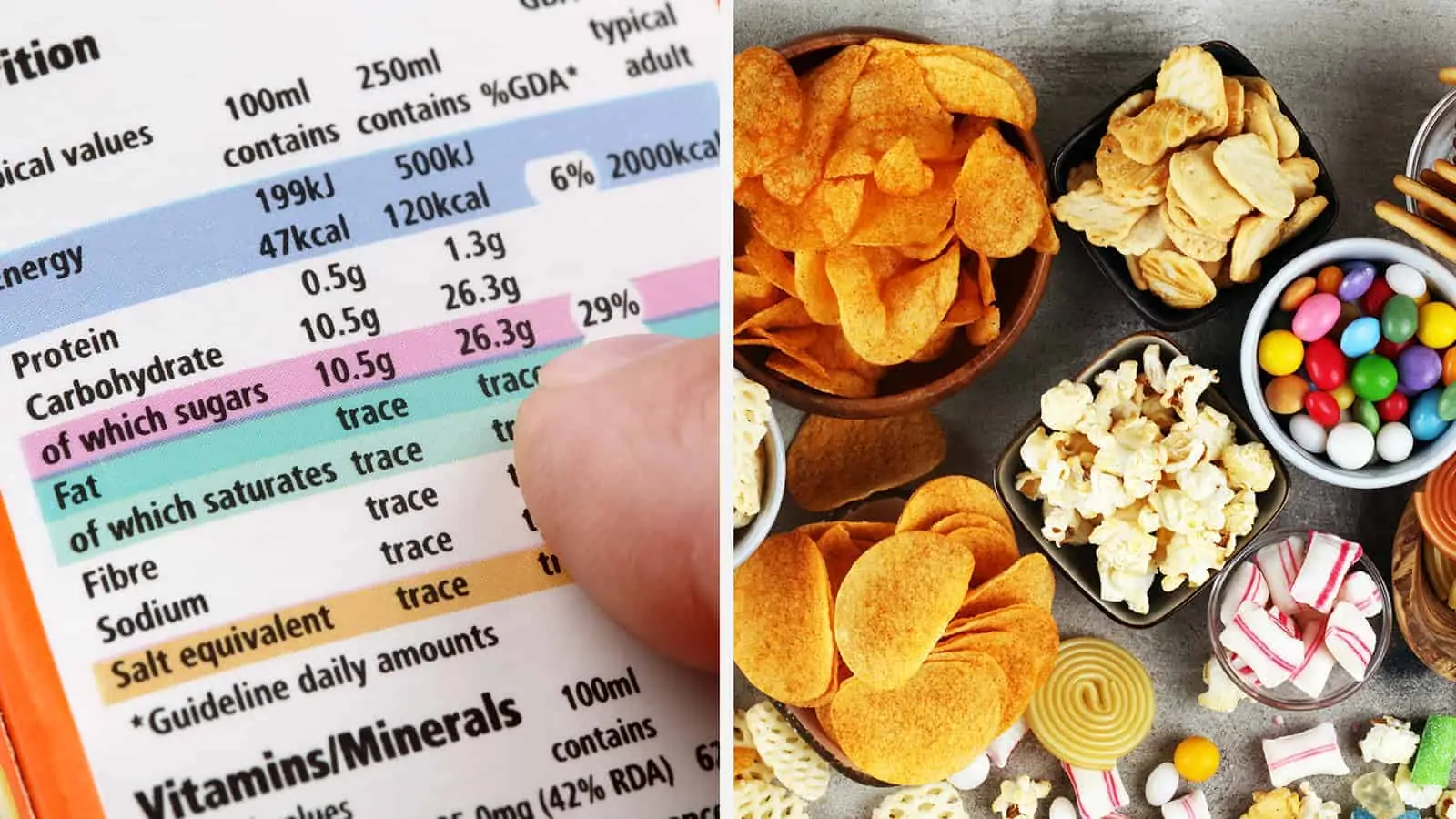
You pick up a drink, biscuit packet or flavoured snack, check the expiry date and price, and put it into the basket. Most of us do this without turning the package around to look at the nutrition panel. Yet that small table on the back may tell us something far more important: how much sugar we are about to consume, sometimes several times a week without even noticing.
Sugar Levels in packaged foods deserve much more attention today because sugar is not only found in obvious sweets and desserts. It can also appear in breakfast foods, flavoured drinks, sauces, dairy products, cereal bars, bakery items and products marketed as convenient snacks. When several of these foods are eaten during the same day, the total can rise surprisingly quickly even if you never add a spoonful of sugar yourself.
The Problem Is Not One Piece of Cake
Enjoying something sweet occasionally is not the issue. The bigger concern is how easily high-sugar products can become part of an ordinary daily routine without us noticing how much we are consuming. A sweetened drink in the morning, packaged snack in the afternoon and dessert after dinner may each look small on their own, but together they can create a much higher sugar intake.
The World Health Organization recommends that free sugars should provide less than 10% of daily energy intake, with a further reduction below 5% offering additional health benefits. For a person eating around 2,000 calories a day, 10% is roughly 50 grams or around 12 level teaspoons of free sugar. The lower 5% level is roughly 25 grams, which is about six teaspoons, so one heavily sweetened drink can use a large part of that amount.
Sri Lanka’s Food Labels Are Giving Us More Information
Sri Lanka’s latest food-labelling rules make nutrition information increasingly important for shoppers. Covered packaged foods now need a nutrition panel that includes total sugar, along with carbohydrates, protein, fat, fibre, sodium and other required information. The panel is designed to show values per 100 grams or 100 millilitres and, where applicable, per serving.
Liquid foods also use a colour-coded sugar system that makes the message easier to understand. A drink containing more than 8 grams of sugar per 100 ml falls into the red category, while 2.5 to 8 grams is amber and less than 2.5 grams is green. The colour is there to help us make a quicker judgement, but we still need to pay attention to the actual amount we drink.
| Sugar in liquid food | Colour | What it tells you |
|---|---|---|
| More than 8 g per 100 ml | Red | High sugar |
| 2.5–8 g per 100 ml | Amber | Moderate range |
| Less than 2.5 g per 100 ml | Green | Lower sugar |
A 100 ml figure can also be misleading if you forget the bottle size. If you drink 300 ml, you are consuming three times the amount shown for 100 ml. That is why both the nutrition panel and the portion you actually consume matter.
Continue your growth
Turn useful reading into career momentum.
Explore expert resources, workshops and professional support inside Satyn Circle.
Join Satyn CircleTurn the Packet Around Before You Buy It
Reading a food label does not require a nutrition degree. Start with the sugar figure, then check whether it is given per 100 grams, per 100 millilitres or per serving. Comparing similar products using the per-100 g or per-100 ml figure is often easier because serving sizes can differ between brands.
Then look at the ingredients list. Ingredients are normally listed in descending order by weight, so ingredients appearing near the beginning generally make up more of the product. Sugar can also appear under different forms and names, so the nutrition panel’s total sugar figure can sometimes be easier for a quick comparison than trying to recognise every possible sweetening ingredient.
| What to check | Why it matters |
|---|---|
| Total sugar | Shows how much sugar the product contains |
| Per 100 g / 100 ml | Makes comparison between products easier |
| Serving size | Shows how much you may actually consume |
| Ingredients list | Helps you see what makes up most of the product |
| Sugar colour code on liquids | Gives a quick high/moderate/lower indication |
“No Added Sugar” Does Not Always Mean Sugar-Free
This is another label that can easily create confusion. A product saying “no added sugar” means sugar or other foods used for sweetening have not been added in the way covered by the claim, but naturally occurring sugars may still be present. The product may therefore still contain total sugar.
This matters with products containing fruit, milk or other ingredients that naturally contain sugars. The claim is not necessarily misleading, but consumers need to understand what it actually means. Instead of stopping at the words on the front of the packet, look at the nutrition information as well.
Why Sweet Foods Can Become So Hard to Reduce
Many people say they are “addicted to sugar”, particularly when they notice strong cravings or find it difficult to reduce certain snacks and drinks. Researchers are studying what is sometimes called sugar addiction, including how highly sweet and rewarding foods may influence cravings and the brain’s reward systems. However, science has not established ordinary sugar consumption as an addiction in exactly the same way as recognised substance-use disorders.
That distinction matters because the problem is often wider than sugar alone. Highly processed foods can combine sugar, fat, salt, flavour and texture in ways that make them extremely easy to keep eating. Stress, habit, convenience, advertising and repeated exposure also influence what we crave, so the solution is not simply telling people to “have more self-control”.
Children Need Our Attention Especially Early
Children can become very familiar with sweet tastes when sugary drinks, biscuits, desserts and packaged snacks become part of everyday life. Repeated exposure can shape what tastes normal to them, making less-sweet foods seem less appealing. This does not mean a child who loves a sweet food has a medical addiction, but everyday food habits built early can be difficult to change later.
Parents therefore do not need to ban every treat or make children frightened of food. A better approach is to avoid making highly sweet products the automatic daily snack and to offer water, fresh fruit and regular meals more often. Treats can remain treats without becoming the default food every time a child is bored, travelling, watching television or finishing school.
Restaurant and Hotel Food Deserves Attention Too
Packaged foods at least give you a label, but restaurant food usually does not. Sweetened drinks, milk-based beverages, sauces, desserts, flavoured coffees and even some savoury dishes can contain substantial amounts of added sugar without the customer knowing the exact amount. That does not mean we should stop eating outside, but it does mean we should stop assuming that a meal is low in sugar simply because it is not a dessert.
Simple choices can help. Ask for drinks without added sugar where possible, be aware of heavily sweetened sauces and do not feel that a dessert and sweet drink need to come with every meal. You are not trying to make restaurant food perfect; you are simply preventing hidden sugar from becoming invisible.
Why This Matters in a Country Already Facing Diabetes
Sri Lanka is already dealing with a serious diabetes burden, so paying attention to everyday food choices is not unnecessary health anxiety. Diabetes has many causes and cannot be blamed on sugar alone, but regular excess energy intake, unhealthy weight gain and frequent consumption of sugary foods and drinks are important parts of the wider risk picture. This makes basic food literacy increasingly valuable for families.
The answer is not to become afraid of every gram of sugar. It is to know what you are eating often enough to make informed choices. The person who reads the packet can compare two drinks, notice that one snack is much sweeter than expected and decide whether that product should be an everyday food or an occasional one.
Sugar Levels in Packaged Foods: The Label Only Works If We Read It
Food regulations can require better information, manufacturers can print nutrition panels and colour coding can make sugar levels easier to notice. But none of that helps if we continue buying food without looking at what the packet is telling us. The few seconds spent turning a package around may become one of the simplest health habits we can teach ourselves and our children.
You do not need to remove every sweet food from your home, refuse dessert or count every teaspoon for the rest of your life. Start with awareness: check the sugar, compare products, notice portion size and think about how often that food appears in your week. For more practical food, nutrition and everyday eating articles, explore Satynmag’s Food section.
Share
Written by
Satyn Editorial