Health & Wellness
Diabetes Symptoms in Women: Early Signs to Notice and How to Enjoy Rice and Curry More Mindfully
Feeling unusually tired, thirsty or hungry? Some early diabetes symptoms are easy to mistake for everyday exhaustion. This November, learn which changes deserve attention and how a few simple adjustments to your familiar rice and curry plate can support healthier blood sugar management without giving up the foods you love.
Diabetes Symptoms in Women – You have been feeling unusually tired lately, but perhaps it is just work, the house or another busy week. You find yourself drinking more water, waking up during the night to use the bathroom or feeling hungry sooner than usual. None of these changes seems particularly alarming on its own, especially when there are so many everyday reasons to feel exhausted. But sometimes, the small changes we keep explaining away deserve a little more attention.
November brings another opportunity to talk about diabetes, particularly as World Diabetes Day approaches on 14 November. This year’s World Diabetes Day 2026 theme is “Early action on diabetes”, with the World Health Organization highlighting the importance of recognising symptoms and getting diagnosed. For women, that conversation should begin with understanding the signs, but it should also include something we encounter every day: the food on our plates.
Why Diabetes Symptoms in Women Can Be Easy to Overlook
Type 2 diabetes often develops gradually, which means the symptoms may not arrive in a way that immediately attracts attention. A woman may feel more tired than usual for months, notice she is constantly thirsty or realise she needs to visit the bathroom more frequently. Because these changes can have several explanations, she may simply adjust her routine without considering a medical check.


Some familiar signs include frequent urination, increased thirst or hunger, unusual tiredness, blurred vision and unexplained weight loss. Cuts that take longer to heal may also deserve attention. These symptoms are not exclusive to women, and experiencing one does not automatically mean someone has diabetes. What matters is recognising persistent or unexplained changes rather than diagnosing yourself.
The difficulty is that some people with type 2 diabetes have very mild symptoms or none at all. Feeling perfectly well does not necessarily rule out raised blood sugar, particularly when other risk factors are present.
Some Signs Deserve Particular Attention From Women
Women may experience certain problems that are easy to treat as unrelated health concerns. Repeated vaginal yeast infections or urinary tract infections, for example, can occur more frequently when blood sugar levels are high. These conditions have many possible causes, so they should never be treated as proof of diabetes. However, recurrent infections alongside unusual thirst, tiredness or frequent urination are worth discussing with a healthcare professional.
Pregnancy is another important consideration. Gestational diabetes often develops without obvious symptoms, which is why routine screening during pregnancy matters even when a woman feels healthy. Testing is commonly performed between 24 and 28 weeks, although some women need earlier assessment.
A history of gestational diabetes, a family history of type 2 diabetes or polycystic ovary syndrome (PCOS) can also be relevant when discussing diabetes risk. None of these means a woman will necessarily develop diabetes, but they can help a healthcare professional decide when screening is appropriate.
Continue your growth
Turn useful reading into career momentum.
Explore expert resources, workshops and professional support inside Satyn Circle.
Join Satyn CircleWhen Should You Actually Get Your Blood Sugar Checked?
If you have persistent thirst, frequent urination, unexplained weight loss, blurred vision or unusual tiredness, arrange a medical appointment rather than waiting for the symptoms to become more noticeable. A healthcare professional may recommend fasting blood glucose, an HbA1c test or another appropriate test. HbA1c provides information about average blood glucose over approximately the previous two to three months.
Testing is also worth discussing if you have relevant risk factors, even without symptoms. If you develop severe symptoms such as vomiting, abdominal pain, rapid or deep breathing, confusion or marked drowsiness, seek urgent medical attention because dangerously high blood sugar can become an emergency. Type 1 diabetes can develop at any age and sometimes progresses quickly.
Medical research continues to explore future possibilities, including topics discussed in our earlier feature on gene editing and type 2 diabetes. However, experimental approaches are not substitutes for established diabetes diagnosis and treatment. Today, the most useful first step remains recognising concerns and getting appropriate medical advice.
Now, What About the Rice on Our Plates?
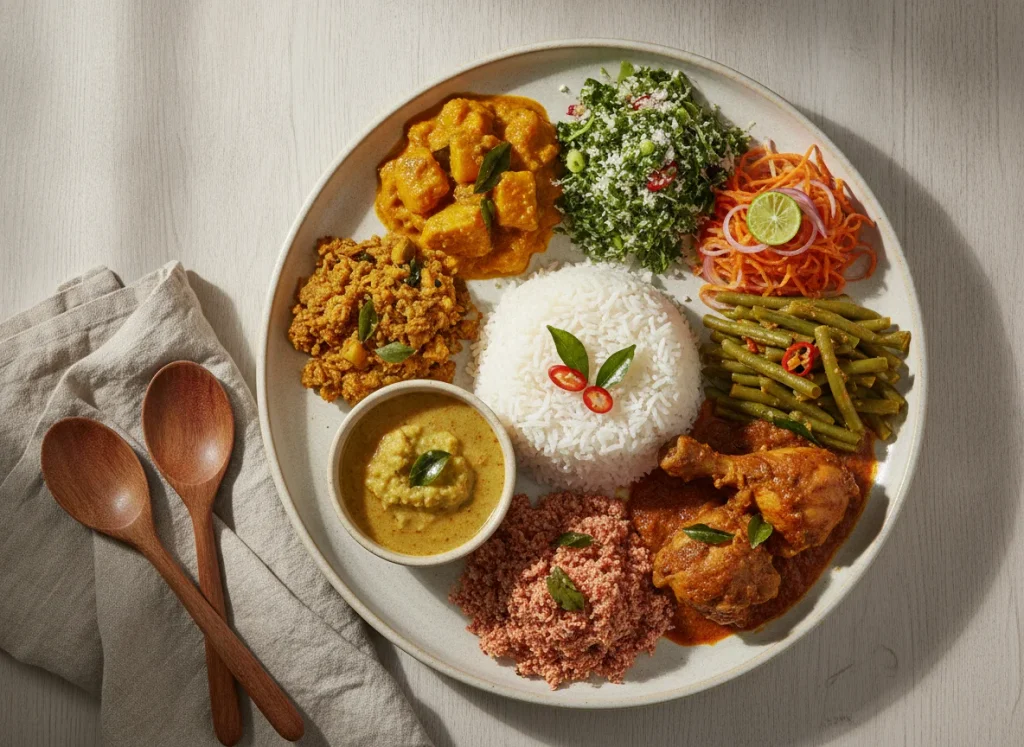
For many Sri Lankan women, a conversation about diabetes eventually becomes a conversation about rice. Someone suggests avoiding it altogether, another recommends a particular variety, and suddenly an ordinary family lunch begins to feel complicated. Yet rice is more than a convenient carbohydrate in our homes. It belongs to our food traditions, family routines and the meals many of us have enjoyed since childhood.
The good news is that a balanced meal does not necessarily require eliminating rice. Rice contains carbohydrates that affect blood glucose, so the amount eaten matters. But the vegetables, protein and other foods served alongside it also contribute to the overall meal.
Rather than thinking only about what to remove, it helps to look at how the whole plate is arranged.
How to Build a More Blood-Sugar-Friendly Rice and Curry Plate
A simple starting point is the diabetes plate method, which divides a typical dinner plate into vegetables, protein and carbohydrate foods. It offers a practical visual guide without requiring everyone to weigh every ingredient.
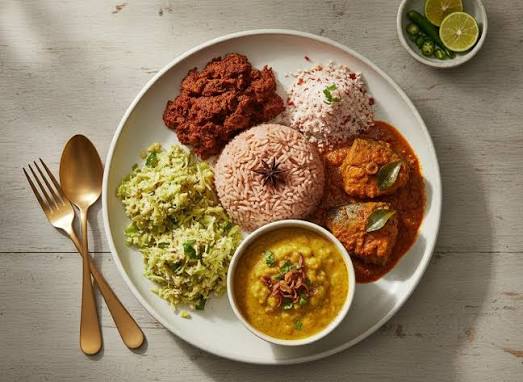
Imagine serving your usual Sri Lankan lunch. Instead of filling most of the plate with rice and arranging a few curries around it, try giving approximately half the plate to non-starchy vegetables. This might include gotukola sambol, cabbage, beans, leafy mallung, cucumber salad or other vegetables prepared with modest amounts of oil.

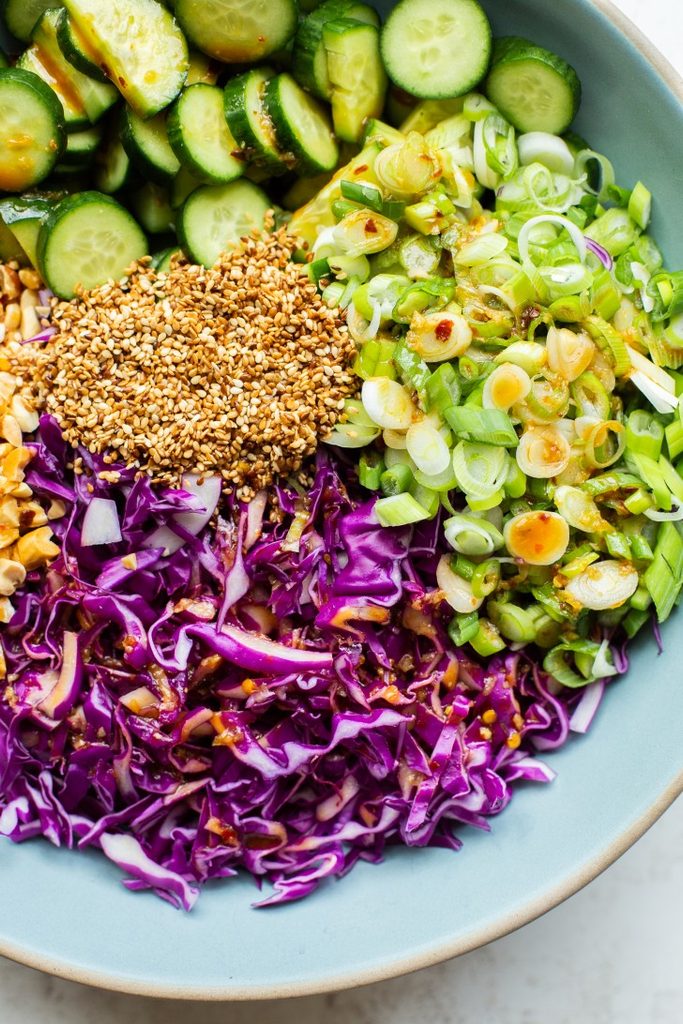
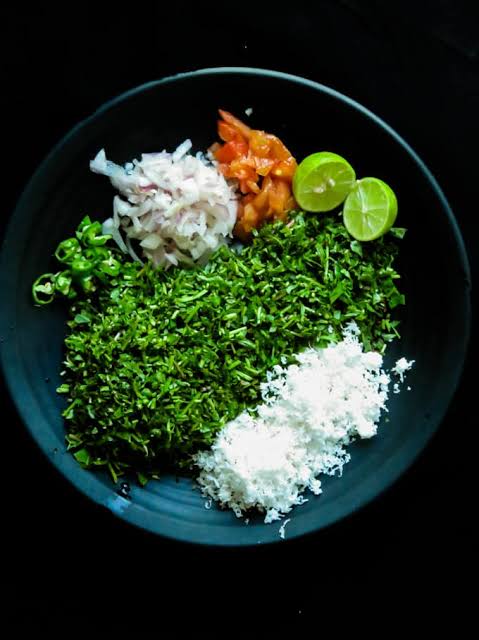
Reserve around one quarter for protein, such as fish, chicken, egg or tofu. The remaining quarter can hold your rice. Dhal can certainly be included, but remember that lentils provide carbohydrates as well as plant protein, so a generous serving should be considered within the meal’s overall carbohydrate content.
This is a flexible starting point, not an exact prescription for everyone. Women already managing diabetes may need individual portions adjusted according to their medication, activity, health needs and blood glucose readings.
You Can Enjoy Rice Without Making It the Entire Meal
White rice, brown rice, red rice and traditional Sri Lankan varieties all contain carbohydrates. Less-refined rice can provide more fibre and other nutrients, but no variety should be treated as something that can be eaten without considering portions. The quantity and overall composition of the meal remain important.
Sri Lanka has a fascinating history of traditional rice cultivation, explored in our earlier feature on Sri Lanka’s heirloom rice varieties. That cultural richness is worth appreciating, while remembering that blood sugar responses can vary between individuals and rice preparations.
Even familiar curries deserve a little attention. A vegetable curry may contain starchy ingredients such as potatoes or pumpkin, while generous amounts of coconut milk and oil can change the meal’s overall nutritional balance. You do not have to abandon these dishes, but serving proportions thoughtfully can make the plate more balanced.
Healthy Eating Should Still Feel Like Everyday Life
A blood-sugar-friendly approach should be realistic enough to follow at home, not something reserved for a special diet menu. Drinking water instead of sweetened beverages, including more vegetables and paying attention to rice portions are manageable places to begin. Regular physical activity, adequate sleep and appropriate medical care also support diabetes prevention and management.
For women who already have diabetes, food changes should work alongside prescribed treatment rather than replace it. There is no single meal plan suitable for every person, particularly during pregnancy or when medicines can cause low blood sugar. A registered dietitian or diabetes healthcare professional can help tailor meals to individual needs.
This November, Pay Attention to Yourself Too
Women often spend considerable time thinking about what the rest of the family needs, including what everyone will eat for lunch. Their own tiredness, thirst or health appointments can quietly move to the bottom of the day’s priorities. Diabetes awareness is an opportunity to change that habit without turning ordinary symptoms into reasons for panic.
You do not have to diagnose yourself, and you do not have to stop enjoying rice and curry simply because you want to eat more thoughtfully. What matters is knowing when to seek medical advice and making choices that support your health over time.
This November, perhaps begin with two ordinary decisions – do not ignore a persistent change in your body, and take another look at how you fill your plate. Both are practical ways to make early action part of everyday life.
Share
Written by
Satyn Editorial